
I AM A LOOKING TO GO

Health Equity Week of Action (HEWA)

02/23/2026 - 02/27/2026

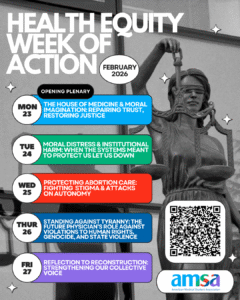
2026 Health Equity Week of Action Schedule


Day 1: Opening Plenary

From an early age, medicine may have held a place of reverence in your heart, your aspirations, and in the vision you had for the type of system you would be inheriting as a future physician. Perhaps you’ve defined this vision as a house built upon science, truth, service, trust, accountability, compassion- with a bold devotion to doing no harm. However, how do we make sense of a system that holds such power and potential beauty- and yet, has historically been built upon exclusion and a lack of safety for the very communities it claims to be committed. Here at AMSA, we question the field we have chosen- we think critically- and we believe in something greater. We aspire to be clinicians who pose the difficult questions and ponder the equally difficult solutions- such as the sacred key that accountability and the courage to name what is wrong holds.

Thus, what does it mean to inherit a system that has both healed and harmed- and in the time we are living in, where attacks to equity, inclusion, moral dignity, and human rights are occurring on all fronts- how do we re-imagine what this place could be? We are allowed to ask for more… in fact- we must demand it.

Session 1: The House of Medicine & Moral Imagination: Repairing Trust, Restoring Justice

  • Time: 6:00 PM ET
  • Meet the Speakers: Donya Ahmadian, AMSA Legislative Affairs Director & Nikitha Balaji, AMSA National President
  • What to Expect: In this session, we will explore the utility of moral imagination- to see beyond the narrow story of medicine that we were given- and to envision a house rebuilt with justice, repair, and collective safety at its foundation. Together, we will explore how future physicians can truly be for change- how we can confront historical and ongoing harms, listen deeply to communities’ visions for care, and more from performative “trust-building” to concrete practices of care, accountability, redistribution, and repair. Sharing key elements from AMSA’s long and not forgotten history in Health Justice work, building from the “Story of Us” to the “Story of Now,” and introducing, in community discussion, our renewed and reinvigorated approach towards advocacy in a time such as this. We will further explore these frameworks through story-telling and hear from your very own National Leaders and AMSA staff.
  • Resources to Learn More:

Session 2: Defending Access and the Fight for Equity: Navigating the Impact of HR1 Cuts on Healthcare for Transgender, Immigrant, and Underserved Communities 

  • Time: 7:00 PM ET
  • Meet the Speakers: Skyler Rosellini, JD (he/him), Assistant Director of California Policy, National Health Law Program  & colleagues 
  • What to Expect:  In this powerful session, we will unpack the real-world implications of the HR1 funding cuts and how they threaten access to essential healthcare for transgender, immigrant, and other underserved communities. Participants will explore the intersection of policy, advocacy, and equity through a legal and human rights lens. Skyler and his collegues guide us through the current policy landscape, highlighting both the harms posed by these cuts and the strategies advocates are using to defend care access. Expect to gain a clearer understanding of how federal policy decisions ripple into state-level systems, and leave with actionable insights to support equitable healthcare for all.

Session 3: AMSA Community Building: Connection, Community & Care 

  • Time: 8:00 PM ET
  • What To Expect: After the close of each evening’s session, AMSA national leaders and staff will offer a space to gather in community, reflecting jointly on the themes of the night and holding sacred space to simply be together. There is no programmatic agenda for this space- and purposely so. This hour is designed for connection, grounding, and honoring the lived experiences of our members- building a core of care in a world that can make gentleness and community feel out of reach. All are welcome and all are deeply celebrated.

        Day 2: Moral Distress & Institutional Harm: When the Systems Meant to Protect Us Let Us Down

        As we reflected upon in our opening plenary, we enter medicine imagining a sanctuary- a house and body of healing where our foundational oaths to protect and uplift are met with systems that echo with institutional racism, structural disparities, and historical harms painted with the falsehoods that these relics are of the distant past. In this time of grief and mounting assaults on the very threads that make us human, we can refuse to allow such betrays to calcify us into silence. When we name them, this can become fertile ground for reparative action- ones that do not demand that we normalize harm as the cost for belonging. That is the very thing about belonging- it need not require any effort-but is simply a right each of us deserves. Together, we can take our first breath of reclamation, as we call out to courage and acknowledge the sacred tension between what we are taught to endure and what our nervous systems have always refused.

        We trace the path of moral distress as an architectural design of exclusion that we will not accept. Organized refusal can appear to us in many ways, such as the gentle balm of gathering in community, in writing, reading, poetry, the arts, and beyond. We can fight the exhaustion of institutional harm through honoring the body’s wisdom, normalizing seeking support and the power of respite, and summoning the alchemy of collective care.

        As poet and activist June Jordan first spoke….

        “we are the ones we’ve been waiting for.” 

        Session 1: Building the World We Dream: Centering Joy, Grief, Creativity, and Community in Healthcare Activism

        • Time: 5:00 PM ET (75 minutes)
        • Meet the Speaker: Dr. Anu Gorunkanti, MD (she/her), Public health advocate, pediatric hospitalist, and co-founder of Introspective Spaces.
        • What to Expect: This session invites participants to grapple with the current state of health care and the moral distress it generates, naming that these crises are neither new to our institutions nor to our broader political landscape. Grounded in the facilitator’s own story and the powerful, hard-won experiences of activists across time, we will lift up the tools, lineages, and practices that have sustained movements in moments of despair and helped keep a justice-centered future in view. Drawing on frameworks such as “ecosystems of care,” students will be invited to map their own networks of support in an experimental, participatory exercise, with an optional extended segment after 60 minutes for those who wish to go deeper. An opening ceremonial moment and a closing reflective practice will help us co-create a space for vulnerability, collective courage, and a renewed commitment to rebuilding healthcare activism as an act of living, embodied hope.
        • Resources to Learn More: 
          • “Moral Distress, Mattering, and Secondary Traumatic Stress in Provider Burnout: A Call for Moral Community”-Epstein, E., et al., 2020.
            • Post-pandemic research has re-defined our understanding of moral injury and distress, outlining the power of institutional pressure and the resulting trauma and burnout that providers face. This article examines a call for moral community as an antidote to this, uplifting the inherent humanity that must be honored within each of us, regardless of our chosen professions.
          • Introspective Spaces
            • Co-founded by our speaker, Dr. Gorunkanti (MD) and her colleague, Laura Holford (RN), this team has devoted their care practices towards “creating community spaces for connection & introspection” for all healthcare workers. On their website, you can find a list of mental health resources, including Inclusive Therapists, who “center the needs of Black, Indigenous, and People of Color (BIPOC) and the 2SLGBTQIA+ community.” This group of providers honors the “full neurodiversity spectrum” and center mental health care accessibility for all those living with disabilities.
          • “Hope Starts With Us: The Healing Power of Art”- National Alliance on Mental Illness (NAMI)
            • This podcast episode features Alex Alpert, Pepper Auerbach, & Dr. Jayatri Das, all who serve as NAMI Ambassadors and who utilize the power of art as a vehicle for deeper connection to our internal worlds. Granting us access to what may feel distant or hidden, the practice of play allows us to confront the barriers to healing and rest that perfectionistic ideals shield us from accessing. This episode explores the threads of connection between these ideologies and the inherent connection between mental and physical health.

        Session 2: Breaking the Silence: Building a Culture of Care and Destigmatizing Mental Health in Medicine

        • Time: 7:00 PM ET (75 minutes)
        • Meet the Speaker(s): Marielle Vaugn-Hickman, MA (she/her) and a team of panelists from Stop Stigma Sacramento.
        • What to Expect: Stop Stigma Sacramento harnesses the power of lived experience through its incredible Speakers Bureau, where trained advocates and individuals with mental health challenges share raw stories of recovery, hope, and thriving to shatter myths and spark dialogue. Join Marielle Vaughn-Hickman and panelists for an interactive session that confronts medicine’s culture of silence and perfectionism, equipping participants with tools to normalize conversations, build peer support networks, and demand institutional change. Expect real talk on self-care amid burnout, community-driven stigma reduction and actionable steps to transform medical training into spaces of collective healing rather than punishment.
        • Resources to Learn More: 
          • 988 Suicide & Crisis Lifeline
            • This free and confidential resource makes trained crisis counselors available for around-the-clock, 24/7 , non-judgemental, compassionate care, which utilizes call-in options, text, and online chat. When personal or institutional distress feels overwhelming, there is an anonymous place to turn and a landing ground with professionals who can speak to the acute needs you, or someone you care for, may be experiencing.
          • NAMI Helpline
            • Available Monday-Friday from 10:00 AM-10:00 PM ET, this helpline is an additional free, confidential, and nationwide resource providing mental health support and resources to you or a loved one in need. Staffed with trained crisis care specialists, this resource bridges the necessary gap of institutional silence and proper resourcing and normalization of mental health support.
          • Ending the Stigma: Mental Health in Medical School- Ellen Davis with TEDxNEOMED
            • When Ellen Davis was a medical student, she hid her mental health challenges, such as anxiety and depression, throughout her training. Bravely speaking to medicine’s culture of perfectionism and silence, Davis models a unique bravery- and the courage needed to disrupt the system and pave a new path.

        Session 3: Healing the Healers: Reclaiming Moral Integrity in the Fight for Equity

        • Time: 8:30 PM ET
        • Meet the Speaker: Dr. Dami Babaniji. Double–board–certified physician in Internal Medicine and Lifestyle, Medical Director for Clinician Wellbeing at Methodist Medical Group in Dallas, Texas- and Coalition member of the Dr. Lorna Breen Heroes Foundation.
        • What to Expect: Healthcare stands at a crossroads: burnout is rising while the call for equity grows more urgent. Yet sustainable equity requires more than policy and cannot be achieved in systems that quietly erode the moral integrity of the workforce that serves within them. It demands clinicians who remain whole within complex, fragmented systems. In this compelling talk, Dr. Dami Babaniji explores moral distress as a systems signal — not an individual deficit — and offers a prescription for moral courage: a timely call for collective change from within, reminding us that we are the ones we’ve been waiting for.

        Session 4: AMSA Community Building: Connection, Community & Care 

        • Time: 9:30 PM ET
        • What To Expect: After the close of each evening’s session, AMSA national leaders and staff will offer a space to gather in community, reflecting jointly on the themes of the night and holding sacred space to simply be together. There is no programmatic agenda for this space- and purposely so. This hour is designed for connection, grounding, and honoring the lived experiences of our members- building a core of care in a world that can make gentleness and community feel out of reach. All are welcome and all are deeply celebrated.

        Day 3: Protecting Abortion Care: Fighting Stigma & Attacks on Autonomy

        We have named the house of medicine’s harms and by day 3 of HEWA, we have begun to tend towards these ruptures through uplifting organizations and activists who have centered their lives to rewrite the narratives of oppressive. Thus, here, we turn to one of the most urgent threats towards autonomy and Justice- reproductive freedom and abortion care. In this time of escalating state surveillance, bodily oppression, and the criminalization of patients and providers, the sacred human right of choice has long been under threat. As future clinicians, we can continue the refusal we outlined in our opening plenary- we can claim the truth, which is that abortion is healthcare, it is justice, and it is that very right to decide that all deserve.

        To protect this care, we can learn from legislative strategies, community defenses against shame, and the reclamation of narrative from those who wish to silence it. Together, we can interrupt this system- through policy, presence, and dignity.

        Session 1: From the Clinic to the Capitol: Defending Abortion and Reproductive Justice with the Freedom Caucus

        • Time: 6:00 PM ET
        • Meet the Speaker: Aviva Abusch (she/her), Executive Director of the Congressional Reproductive Freedom Caucus 
        • What to Expect: Aviva brings us unparalleled expertise from the heart of federal policy-making. Leading a bipartisan coalition of lawmakers in DC, she translates the urgency of clinic floors and patient rooms into legislative reality. She works tirelessly to defend abortion access, contraception, and bodily autonomy against relentless opposition and her work models how sustained, strategic advocacy can hold ground and reclaim lost terrain in medicine’s most contested spaces.
        • Resources to Learn More: 

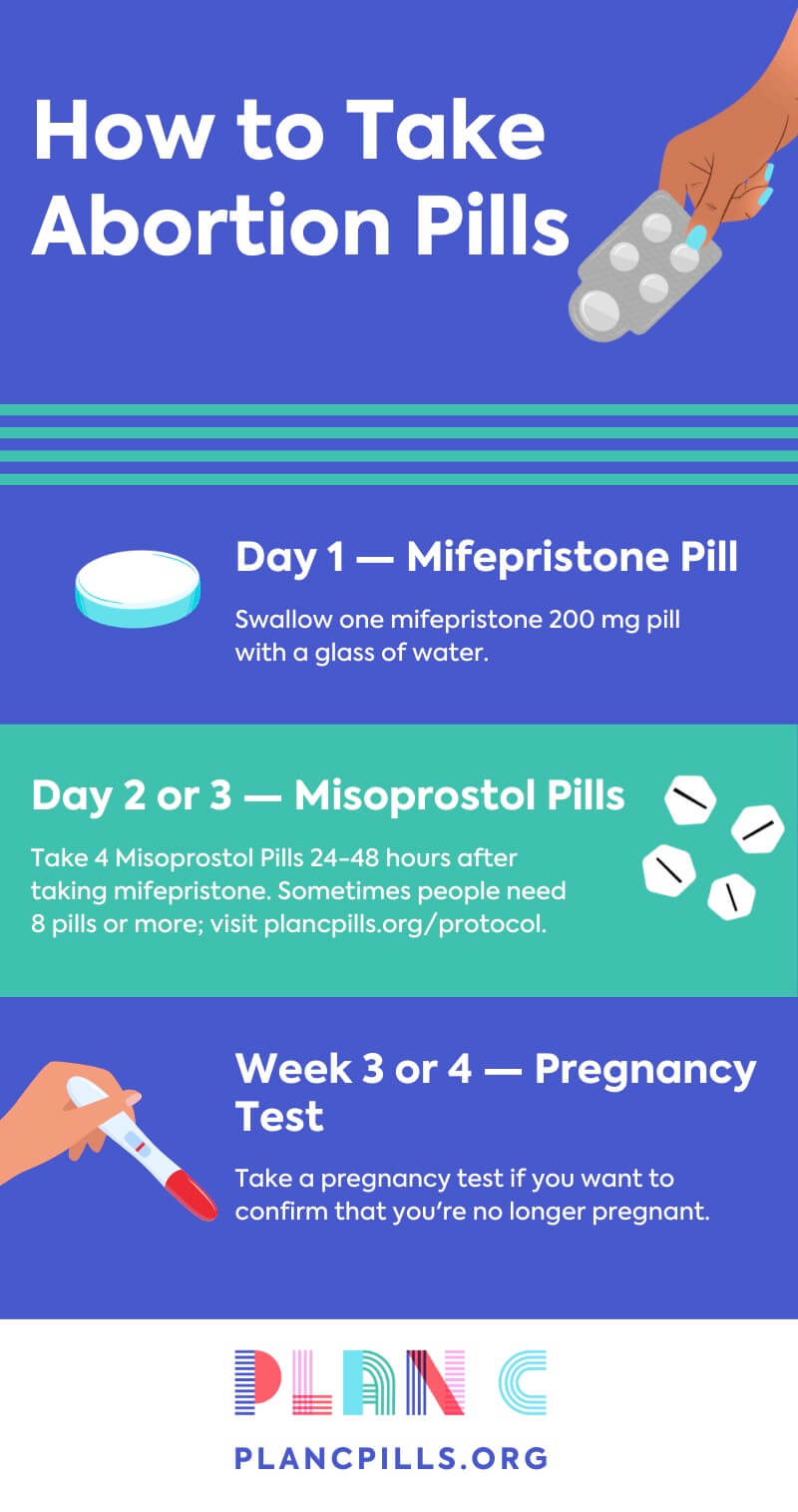
        Session 2: Demystifying Self-Managed and Medication Abortion: What Future Clinicians Need to Know

        Note: Previous title verbiage still applicable  

        • Time: 7:00 PM ET
        • Meet the Speaker: Sofía Braunstein, MPH (she/her/ella) at Ibis Reproductive Health & the DC Abortion Fund (DCAF) and AMSA’s very own,  Aliye Runyan, MD, FACOG, OB-GYN, Complex Family Planning subspecialist & AMSA Reproductive Health Project Strategist.
        • What to Expect: This conversational session brings together an abortion researcher and an abortion provider to critically examine how medication abortion and self-managed abortion function as legitimate, safe, and increasingly central pathways to abortion care in the U.S. Through evidence and clinical experience, the facilitators will explore how people navigate between clinic-based, telehealth, and self-managed abortion options and how these pathways are shaped by stigma, criminalization, and the medicalization of abortion. The session aims to normalize self-managed and medication abortion as forms of care grounded in autonomy, solidarity, and evidence, while creating space for dialogue on how research, clinical practice, and activism can work together to advance decriminalized and person-centered abortion access.
        • Resources to Learn More: 
          • Ibis Reproductive Health
            • Ibis Reproductive Health “drives change through bold, rigorous research and principled partnerships that advance sexual and reproductive autonomy, choices, and health worldwide.” Their vision is clear: to live in a world where reproductive health information and services is not only accessible- but that all have the inherent “power to exercise their human right to live a pleasurable, safe, and healthy sexual and reproductive life.”
          • DC Abortion Fund (DCAF)
            • As one of the most comprehensive abortion funds in the U.S., DCAF stands alongside those seeking abortion services from DC and across the country. Through advancing access and providing safe, reliable, and thoughtful support, DCAF has made abortion accessible for “thousands” each year. On their website, you can both seek services for yourself or a loved one- or donate/fund abortion care.
          • AMSA Abortion Care & Reproductive Health Project
            • The Abortion Care & Reproductive Health Project at AMSA aims to dismantle stigma and build community through addressing what is consistently missed in medical school training- preparing students to “think critically about abortion-related education and training opportunities” and providing students with “issue education, advocacy training, and hands-on skill building sessions.”
            • AMSA Reproductive Health Project eNews – Read Here – Sign-up Link
              • The eNews is a bi-monthly source delivering critical updates, action opportunities, moving writing pieces, and reality-based analysis on reproductive justice.
          • The Brigid Alliance 
            • At Brigid, they hold a powerful message: “we get people to abortion care, whatever it takes.” Through addressing financial and practical barriers to access, this referral-based alliance books, coordinates, and pays for travel expenses and child care, if needed. Travel expenses that are offered includes transportation, lodging, meal assistance, trauma-informed emotional support, and all coordination that add extra mental burden to abortion seekers.
        • Resources Shared During Session (Note: weeks/days are in reference to gestational age):


        Session 3: AMSA Community Building: Connection, Community & Care

        Note: Healing Circle Moved to 3/4 but will retain Community Building Hour

        • Time: 8:00 PM ET
        • What To Expect: After the close of each evening’s session, AMSA national leaders and staff will offer a space to gather in community, reflecting jointly on the themes of the night and holding sacred space to simply be together. There is no programmatic agenda for this space- and purposely so. This hour is designed for connection, grounding, and honoring the lived experiences of our members- building a core of care in a world that can make gentleness and community feel out of reach. All are welcome and all are deeply celebrated.


        Healing Circle Edition for students, trainees, and clinicians will now take place next Wednesday, 3/4 at 8:00 PM ET .

        • What To Expect:
          Please register here for a free 90-minute virtual Healing Circle for Students, Trainees, and Clinicians — a space to pause, breathe, and remember ourselves together.

          This healing circle is rooted in an ancient technology used across cultures: for eons, humans have gathered in circle to heal, reveal, and reconnect. This particular offering emerges from The Healing Circle for Healthcare Workers and the framework of Circle Alchemy, created by Annelle Taylor, a Nurse Practitioner in community with other healthcare providers during the height of the COVID pandemic, amid collective loss and racial violence — when it became clear that healthcare workers needed spaces to metabolize what we were carrying, not alone, but in community.

          This is not a lecture.
          There’s nothing to prepare and nothing to perform.
          You’re welcome to come exactly as you are.

          We are living and working in heavy times.

          The art of medicine is being practiced amid profound grief, moral injury, systemic violence, and relentless pressure to keep going — even as our bodies, hearts, and nervous systems ask for something different. In the context of what’s unfolding in the wider world, this is a recipe for burnout.

          And yet — we are needed.
          Our medicine is needed.

          Many of us have learned to override our own needs in order to care for others. We push through exhaustion, numb our own pain, and keep moving for the sake of our patients, our teams, and the work we love.

          And here we are again, at a moment that asks something deeper of us.

          **To honor the safety and presence of this live experience, the gathering will not be recorded and there will be no replay. This is a live, relational transmission.

          During this 90-minute gathering, we will:

          • Begin with a grounding practice to help settle the nervous system
          • Explore how chronic stress in healthcare lives in the body — not just the mind
          • Offer simple somatic tools you can actually use
          • Hold space for truth-telling and shared humanity with others who understand the weight of this work

        To attend, please register for the free healing circle here in order to receive the calendar invite and zoom link.

        Day 4: Standing Against Tyranny: The Future Physician’s Role Against Violations to Human Rights, Genocide, and State Violence.

        Arriving into day 4 of HEWA, we have held medicine’s ruptures, questioned what reparative processes could embody-and were introduced to threats of autonomy on patient choice. Now, we meet this moment with important and clear language- the tyranny that is palpable from every angle in this administration. From cruel, mass deportations sweeping communities, to ICE raids storming every corner of what once were sanctuaries, we witness tyranny again not as a distant history, but as a present threat to the democracy we stand for. While human dignity is stripped under the guise of “security” and “protection,” we distort the truth of what we are facing.

        As future physicians, what is our role in human rights? Our relationship to the perpetuation of falsehoods that permit the dehumanization of minoritized and migrant populations? When cruelty masquerades as policy- what side of history will we be on?

        These questions can be daunting, and it is in that very tension that we find the truest answers. It is in our training and preparedness to face tyranny that we can organize louder, love louder, and deliver justice to the ends of every community.

        On day 4, we will learn from key activists that can blend this need for issue-based education on anti-ICE practices and war crimes attacking the most vulnerable- and mobilize us to learn and act from a place of care and strategy.

        Session 1: Immigration Justice is Public Health


        Session 2: Abolishing Medical Complicity: Confronting Genocide and Crimes Against Humanity

        • Time: 6:00 PM ET
        • Meet the Speakers(s): Sharad Wertheimer, Brynn Durecki, & Narayan Spaur from George Washington University School of Medical, alongside Drs.  Nidal Jboor & Karameh Kuemmerle from Doctors Against Genocide (DAG)
        • What to Expect: This session highlights how health workers can refuse complicity with genocide, occupation, and mass dispossession, and instead leverage their skills, positionality, and institutions in service of collective liberation. Attendees will hear from DAG organizers about building transnational networks of solidarity, disrupting narratives that weaponize “health” to justify war, and taking action within medical schools, hospitals, and professional bodies to challenge complicity and demand accountability. Participants will be invited into concrete campaigns, organizing tools, and abolitionist frameworks to move from witnessing harm to actively opposing it in their own contexts.
        • Resources to Learn More: 
          • Doctors Against Genocide (DAG)
            • This global coalition of healthcare providers, medical students, and activists are devoted to “succeeding where global governments have failed in confronting Genocide.” Founded in 2023, this coalition have been unified in their fight against human rights, safeguarding the inherent humanity and dignity of all people.
            • The Medical Alliance Against Genocide 
              • This powerful coalition contains partners and healthcare organizations all around the world who are committed, through a human rights framework, to preventing “war crimes, crimes against humanity and Genocide.

        Session 3: Protecting Patients & Providers: Abolitionist Healthcare Responses to the Harms of ICE in Hospital Settings.

        • Time: 7:00 PM ET 
        • Meet the Speakers: Matthew Hing (he/him), PhD/MS4 at University of California Los Angeles (UCLA); Sami Haraguchi MS4 at University of Southern California (USC); & Dr. Abhinaya Narayanan, Family Medicine Fellow at Harbor-UCLA
        • What to Expect: As many of us are aware, ICE raids have dramatically increased in both volume and cruelty across America since Trump’s second term began, and the impact of these raids have extended into the walls of our hospitals and healthcare settings. Within our hospitals, ICE continues to enact its reign of terror- interfering with medical care, denying patients their basic rights, and threatening the providers that attempt to defend their patients. At the same time, hospital administrators have responded with deference rather than resistance, even when ICE undermines the dignity, safety, and human rights of our patients and colleagues. This session will equip healthcare providers with the practical knowledge and tools needed to protect patients in the face of immigration enforcement. We will review what to do when ICE brings a patient into the hospital or emergency department, as well as how to prepare immigrant patients in outpatient settings for potential ICE encounters. Join us to learn how to uphold your ethical obligations, advocate effectively, and stand in solidarity with your patients and colleagues during this challenging time.
        • Resources to Learn More:
        • To contact the organizers of this session: Peoplescarecollective@proton.me

        Session 4: AMSA Community Building: Connection, Community & Care 

        • Time: 8:00 PM ET
        • What To Expect: After the close of each evening’s session, AMSA national leaders and staff will offer a space to gather in community, reflecting jointly on the themes of the night and holding sacred space to simply be together. There is no programmatic agenda for this space- and purposely so. This hour is designed for connection, grounding, and honoring the lived experiences of our members- building a core of care in a world that can make gentleness and community feel out of reach. All are welcome and all are deeply celebrated.

        Day 5: From Reflection to Reconstruction- Strengthening Our Collective Voice

        Arriving at our final day for HEWA, we have been interrupters of the very system we were asked not to question. Now, we turn from reflection to reconstruction, weaving our shared outrage and dreams into collective transformation. We stand in a different place than where we began. We have named the cracks in the house we inherited, listed to stories of distress and the silencing we will not stand for, and witnessed how advocacy and policy can position us to fight back. Across these last several days, a quiet throughline has hopefully emerged- we are not only inheritors of a system or the world, we are shapers for what can come next.

        This capstone is an invitation to carry this realization forward. The questions we have asked together- surrounding abolition, autonomy, tyranny, care, Justice, compassion, and more- are not meant to remain tethered to the themes we have encountered together. Instead, these are seeds for further discussion and for sacred spaces we will continue to build and return to. Reconstruction begins when we center storytelling and the voices of those most affected by the structures we have built. Reconstruction continues when we refuse anything but truth-telling, when we stand alongside those who need our care most- and when we decide that we can practice medicine with the integrity we dream to.

        Today, we will sit in discussion of what is possible when we lead with this belief. We will learn tangible skills to bring our advocacy forward- to foster, nourish, and grow our voices in ways that are allowed to feel frightening or risky. Again, it is within this very tension that we find the joy of what what medicine can be- a shared devotion to keep listening, learning, and valuing each and every human voice.

        Session 1: Closing the Gap: Building a More Equitable Donor Registry

        • Time: 3:00 PM ET
        • Meet the Speaker: Terri Haid, MBA, Senior Program Partner for Member Recruitment at NMDP
        • What to Expect: NMDP is a global nonprofit organization dedicated to saving lives through cell therapy. Blood stem cell transplants can treat blood cancers and more than 75 other serious blood diseases. However, only 25% of patients find a matching donor within their family. The remaining 75% depend on the NMDP Registry to find a lifesaving match. Donor matching is based on genetics, which are closely tied to ethnicity. Because the registry lacks sufficient diversity, not all patients have an equal chance of finding a match. The good news? This disparity is within our power to change. By adding more diverse donors to the registry, we can give more patients their lifesaving treatment. Join us to learn about NMDP’s mission and discover how you and your AMSA chapter can help grow the registry and save lives.

        Session 2: Organizing for the Common Good

        • Time: 5:00 PM ET
        • Meet the Speakers: Dr. A. Taylor Walker, MD, MPH – National President of Committee of Interns and Residents (CIR)- Service Employees International Union’s specialized division (SEIU), Dr. Trina Van, MD – CIR Regional Vice President – Mid-Atlantic, and colleagues
        • (Tentative) What to Expect: The Committee of Interns and Residents is the largest housestaff union in the United States, representing over 40,000 physicians and fellows who are leveraging principles of organizing, collective bargaining, and power building to improve GME training, patient care, and health care access. Join this session featuring seasoned leadership from the Committee of Interns and Residents to learn about organizing tactics and their relevance to your continued advocacy as a medical student.
        • Resources to Learn More: 

          Session 3: Mobilizing for Truth: Protecting Healthcare Equity & Access in an Era of Disinformation 

          • Time: 6:00 PM ET
          • Meet the Speakers(s): Joel Bryson, Advocacy Director at Committee to Protect Healthcare
          • What to Expect: Join this session to gain insight as to how physicians and advocates are mobilizing to protect healthcare access, combating disinformation, and shaping policy that centers patient well-being. The Committee has been deeply involved in the movement towards human-centered care and Joel Bryson will share lessons from national campaigns, providing practical tools for medical students eager to turn our advocacy values into action.
          • Resources to Learn More: 
            • Committee to Protect Healthcare
              • Explore the organization’s initiatives defending truth in medicine and fighting for equitable, evidence-based healthcare policy across the country.

          Session 4: AMSA Community Building: Connection, Community & Care 

          • Time: 8:00 PM ET
          • What To Expect: After the close of each evening’s session, AMSA national leaders and staff will offer a space to gather in community, reflecting jointly on the themes of the night and holding sacred space to simply be together. There is no programmatic agenda for this space- and purposely so. This hour is designed for connection, grounding, and honoring the lived experiences of our members- building a core of care in a world that can make gentleness and community feel out of reach. All are welcome and all are deeply celebrated.

          Plus, check out highlights of events from past weeks of action:

          Day 1: Introduction to Abolitionist Medicine: A Necessary Unraveling

          From an early age, we learn cause and effect—touch a hot stove, feel pain. As healthcare professionals, we’re trained to search for the causes of symptoms. Yet when it comes to systemic health inequities, why do we settle for treating the effects rather than dismantling the root causes? Why do we accept band-aid solutions to maternal mortality, food deserts, and medical neglect while leaving the underlying structures intact?

          • What to expect: Abolitionist medicine challenges us to go beyond reform and reimagine healthcare without the oppressive systems that create harm in the first place. This session will explore how we can balance immediate care with systemic change, moving from reactive treatment to transformative justice.
          • About the Speaker: Dr. Russyan Mark Mabeza (he/siya) is a surgical resident at UCSF. Dr. Mabeza’s background as both a surgeon-in-training and an advocate for antiracism, justice, and belonging in healthcare aligns perfectly with the goals of abolitionist medicine. His experience at UCSF, a leading institution in medical research and education, provides him with firsthand knowledge of current medical practices and the challenges in implementing systemic changes.See more on Dr. Mabeza here.
          • Resources to Learn More: 
            • Read Dr. Mabeza’s article in the AMA Journal of Ethics about the abolitionist approach. 
            • Read this AMA Journal of Ethics article on abolitionist medicine. 
            • Top it off with this article on how abolitionist medicine goes beyond do no harm.


          Day 2: Encoding Racial Equity into Clinical Algorithms & Practice: Minority Stress & Racism in Medicine

          We bring in day 2 by exploring the critical issues of race-based medicine, the use of antiquated race in clinical diagnostics, and the impact of minority stress on health outcomes and quality of life. The sessions will delve into the harmful effects of racial bias in medical algorithms and discuss strategies for promoting equity in clinical decision-making. Participants will gain insights into dismantling race-based practices in healthcare which perpetuate cycles of harm and addressing the root causes of health disparities among minority populations. Further, future clinicians will get a chance to identify and adopt a curious lens regarding the impact of this upon mental health outcomes as well. 

          • What to expect: Attendees can expect an in-depth exploration of how race-based medicine and clinical algorithms perpetuate health disparities. The event will feature expert discussions on the effects of minority stress and racism on patient outcomes, as well as practical strategies for implementing equity-focused approaches in clinical practice. Participants will have the opportunity to engage in interactive Q&A sessions with a leading clinician and network with peers who are passionate about advancing health equity. This eye-opening event aims to provide actionable takeaways that will help improve patient care and challenge systemic biases in healthcare, ultimately transforming the future of medicine towards both greater inclusivity and a responsibility towards questioning and ceasing practices of harm. 

          About the speakers: 

          • Session 1: Donya Ahmadian, MPH (she/her), AMSA National Staff with Encoding Equity cohort
          • Session 2: Dr. Chase Anderson, MD.
            Dr. Chase T. M. Anderson (but just call him Chase!) is currently a child and adolescent psychiatrist at The University of California, San Francisco, the Director for The Muses Program for Minoritized Youth, and graduated from adult psychiatry residency at The Massachusetts General Hospital/McLean Hospital and child and adolescent psychiatry fellowship at UCSF. He completed his undergraduate education in Chemistry at The Massachusetts Institute of Technology and his master’s in Biological Engineering at MIT as well, and is a graduate of The Northwestern Feinberg School of Medicine. 
            Their writing has appeared in The New England Journal of Medicine, Nature Mental Health, NPR, Scientific American, WonderMind, STAT News, and other news and journal outlets. In their free time, he enjoys going for long walks, doing queer things, listening to K-pop, reading fantasy books, playing soccer, writing, planning dinners with friends, and dreaming of how we can better the world together.
          • Resources to Learn More/Action Items: 
            • Learn more about Dr. Anderson’s work with Minority Stress .
            • Read some of Dr. Anderson’s Op-Eds here.
            • Take a look at the history of race-based medicine in clinical diagnostics here.


          Day 3: Affirming Care Practices: Timing, Trauma, and Empowerment 

          Every medical student remembers the first time they stepped into an OSCE, heart pounding, rehearsing the right questions, the right responses—what to say and what not to say. But real patients aren’t standardized. They don’t follow a script, and their histories don’t fit neatly into checklists. What medical school often forgets to teach us is that the way we listen matters just as much as what we say or do. Trauma-informed care (TIC) is more than a checklist—it’s about timing, power, and creating a space where patients feel heard and safe.

          • What to expect: This session moves beyond theory into practice. Through guided discussion, mock OSCEs, and hands-on skill-building, participants will navigate real-world scenarios: responding to disclosures, communicating with sensitivity, and recognizing the impact of trauma on care. The goal is not just to learn what to say, but how to hold space in ways that affirm dignity, autonomy, and trust.
          • About the Speaker: Dr. Taylor Brown, MD (she/her). Taylor Brown is an emergency physician and Medical Education Fellow at Beth Israel Deaconess Medical Center dedicated to integrating trauma-informed care (TIC) into clinical care and medical education. She completed her undergraduate studies at Stanford University and medical school at Harvard Medical School. She is already an important innovator in TIC space, having developed a novel framework applying trauma-informed care to medical education published as a scholarly perspective, “Trauma-Informed Medical Education (TIME): Advancing Curricular Content and Educational Context.” She has created numerous TIC curricula and the first ever trauma-informed care faculty development curricula describing a trauma-informed approach to precepting medical students. She has presented her work locally, nationally, and internationally across medical specialties.
          • Resources to Learn More/Action Items:
            • Read Dr. Brown’s Trauma-Informed Medical Education (TIME) to learn how medical schools can integrate trauma-informed care into their curriculum.
            • Read this piece on the importance of gender-affirming care.
            • Finally, check out  this piece on belonging, respectful inclusion, and diversity in medical students.


          Day 4: Narrative Medicine- More than Words 

          Medicine is more than diagnoses and treatments—it is a collection of human stories. Every symptom is part of a larger narrative, and the way we listen, interpret, and respond shapes the care we provide. Yet, language in medicine is often wielded as a tool of power, sometimes dehumanizing patients or reinforcing bias. How do the words we choose impact trust, agency, and healing? How can narrative medicine help us see patients not just as cases, but as whole people?

          • What to expect: These sessions will explore the history and practice of narrative medicine, examining how storytelling, reflection, and intentional word choice can transform clinical encounters. In our first session, the founder of Equity Commons, Dr. Aubrey J. Grant, shares how he has been revolutionizing healthcare education through a lens of narrative medicine and fighting back against implicit bias. Using virtual reality and AI, the company creates immersive experiences that address bias in healthcare. Dr. Grant aims to foster empathy and understanding among medical professionals and through   blending technology with storytelling, Equity Commons seeks to transform patient care, ultimately leading to more equitable health outcomes and stronger patient-provider relationships.
          • In our second session, through guided discussion and journaling exercises, participants will engage with the ways language can both harm and heal—and how reclaiming narrative can be an act of empowerment. Dr. Paul Gross, founder and editor-in-chief of Pulse: Voices from the Heart of Medicine will guide us through his platform and how he invites healthcare professionals, students, and patients to share their personal stories, fostering empathy and reflection in the medical field. In addition to editing Pulse, Dr. Gross conducts writing workshops that emphasize the healing power of storytelling, which he will guide us through live. His work aims to connect healthcare providers with their own humanity and that of their patients, ultimately enhancing compassion and understanding in healthcare.
          • About the Speakers: 
            • Session 1: Dr. Aubrey J. Grant is the Chief Medical Officer and Co-Founder of Equity Commons. Dr. Grant is also a practicing clinical sports cardiologist and Director Cardiovascular Sport & Performance with MedStar Health. Prior to that, he was a clinical sports cardiologist at the Harvard Massachusetts General Hospital with specialty training in advanced cardiac imaging. Outside of clinical duties, Dr. Grant is passionate about implicit bias and leveraging technology and innovation to create thoughtful and engaging mitigation strategies for physicians. He was recognized by the National Minority Quality Forum as a Top 40 Leader in Eliminating Health Disparities.
            • Dr. Grant will be joined by the Whitney A. White, the CEO and Co-Founder of Equity Commons. Previously, for more than 14 years, Whitney served as CEO of Afara Global, an innovation firm that guides startups, nonprofits, and corporate teams through the process of launching and scaling new products and services. Whitney is also the creator of Take Back Your Time, a coaching practice that helps high achievers cut through the noise of the million and one things on their plates and get on a clear path to achieving the goals that matter to them most. A graduate of Davidson College, Whitney founded the Davidson Tech Impact Fund in 2015, which provides paid experiential learning opportunities for women and students of color to intern with women and minority-owned businesses in critical areas related to tech at no cost to the business. Whitney is Chair of the Davidson College Board of Visitors and a member of the Davidson College Board of Trustees, where she serves on the Teaching, Learning, & Research and Audit & Finance committees.
            • Session 2: Dr. Paul Gross, MD (he/him). Born in New York, the son of a Cuban father and Belgian mother, Paul Gross is a family physician and founding editor of Pulse–voices from the heart of medicine ( pulsevoices.org ), the online weekly devoted to telling the personal story of health care. Now retired from clinical practice in the Bronx, for thirty years he served as residency program faculty–at Montefiore’s Residency Program in Social Medicine in the Bronx and at St. Joseph’s Medical Center in Yonkers. He graduated from Albert Einstein College of Medicine and is still an assistant professor at Albert Einstein. He and his wife Diane Guernsey have two grown daughters and are founding members of Avalanche at Dawn , a band whose most recent album, Daylight , was released in 2022, and who are soon to release their third album.
          • Resources to Learn More/Action Items: 


          Day 5: The Unwritten History of Moral Medicine: The Human Rights Agenda

          • What to expect: Medicine has never been neutral—its history is shaped by the values, biases, and power structures of its time. As future physicians, we inherit both the progress and the failures of those who came before us. These sessions will explore the evolution of medical ethics, the role of advocacy in shaping healthcare, and how we, as the next generation of healthcare leaders, can define a new agenda centered on human rights, equity, and justice. 
          • About the Speakers: 
            • Session 1: NMDP (formerly Be The Match & National Marrow Donor Program) Panel Panel 
            •  Session 2: AMA’s very own Michaela Whitelaw and Jeff Koetje

              Michaela Whitelaw is a 4th year medical student at Emory. Prior to medical school she was an AmeriCorps VISTA volunteer in Philadelphia then spent two years in the Peace Corps Dominican Republic as a Community Health Promoter. Upon returning to the U.S., she worked part time at a medical legal partnership serving first-time mothers, worked as a Family Services Case Aid with World Pediatric Project and volunteered with a Latinx community health clinic in Philadelphia. Most recently she studied for an MPH in U.S. health policy and focused her thesis on menstrual equity. She’s passionate about incorporating medicine, advocacy, policy and education to address promote health equity and social justice.

              While in medical school she has been involved in student groups, advocacy, volunteering, research, and electives focusing on immigrant health and ICE detention, individuals who are incarcerated, individuals experiencing houselessness, voting rights, DEI initiatives within our school, and other issues relating to health equity and social justice.

          • Resources to Learn More/Action Items:

          Day One: Reproductive Justice

          Reproductive Justice is often defined as the human right to maintain personal bodily autonomy, have children, not have children, and parent the children we have in safe and sustainable communities. Over the past few decades, increasingly restrictive policies have passed that have limited individuals’ access to essential reproductive care, particularly abortion care. Various states have limited public funding for abortion care, enacted policies that misguide and deter women from pursuing abortions, and limited access to such abortion means. Learn more about this topic by viewing the resources below and join us for a conversation with our invited speaker. 

          HEWA 2022 Reproductive Justice Toolkit 

          Resources to learn more: 

          Action items: 


          Day Two: Diversity in Medicine

          Across medical institutions and programs, there is a significant underrepresentation of BIPOC and other minorities. Many factors contribute to this reality, including the substantial cost of a medical career, including high preparatory and exam fees, medical school tuition, access to preparatory tools, and bias in the selection process. The lack of diversity in medical environments exacerbates biases in the delivery of care and perpetuates distrust in medical systems. To equitably serve patients from different backgrounds, address the disparities in healthcare, and dismantle racism in medicine it is essential that the medical workforce reflects the diverse community it services. As future physicians, we have a unique responsibility to use our voice to advocate for increased representation in medical programs and institutions. Learn more about this topic and how you can take action by reviewing the information below.

          Diversity and Equity in Medicine Toolkit

          Resources to learn more:

          Action Items:


          Day Three: Immigrant and Refugee Health

          Immigrant and Refugee Health

          • The U.S. is home to more than 44 million immigrants and refugees. In recent years, immigrants and refugees in the United States have been subjected to increasingly aggressive immigration policies that violate fundamental human rights—including access to essential healthcare. Recent stories of misguided and coerced medical procedures have reflected immigrants’ bleak and commonplace experiences in detention centers. The inhumane treatment that the immigrant and refugee communities have faced is alarming and requires action. Tune in today to learn more about some of the most significant issues that this community is facing and how you can use your voice to advocate for them.
          • Refugees are people who are forced out of their country due to war or persecution for political, ethnic, or religious reasons.

          Resources:

          Action Items:


          Day Four: Environmental Justice

          Whether it is access to water, food, energy, or overall quality of life, there is an imbalance around the world. Environmental factors can lead to health disparities and give unequal access to various populations. As future physicians, it’s essential to understand how environmental factors impact patients. Environmental justice acknowledges that underserved, impoverished, and minority communities are disproportionately exposed to greater pollution levels and harmful environmental conditions, which confer worse health outcomes. Native communities tend to be some of the most disadvantaged and disproportionately impacted by environmental injustice. Use the resources below to learn more about this critical topic and how you can advocate for environmental justice.

          Environmental Justice Toolkit

          Key Points to Know

          • Native land today, as we know it, covers around 55 million acres of land across the United States. These lands contain natural gas and oil reserves, coal, various minerals, and much more. Tribes have faced difficulty in authority and management in some of their resources given non-tribal government involvement. Geopolitical lines are blurred, and those who suffer are the tribal lands.
          • For years the federal government and non-tribal individuals have Communities such as the Swinomish Tribe and Coast Salish tribes have been working together to make tools to help create a tool that looks at different indicators that can potentially impact native community health from natural resource contamination. The environmental protection agency was the first federal group to take on an official Indian policy where tribes were the primary parties for setting standards for making environmental policy decisions.

          Action Items:


          Day Five: Microaggressions in Medicine

          Microaggressions

          Microaggression is defined as a discriminatory offense towards an individual based off of their race, gender, or any marginalization. The term was coined by an African American Psychiatrist in 1970 to help encourage dialogue in regards to any harms that nondominant groups in medicine face.

          Resources to learn more

          Key Points to Know

          • Microaggressions can be categorized into three separate groups; microinsults, micro assaults, and microinvalidations. Higher levels of racial microaggressions have been shown to correlate with higher levels of depression, anxiety, and stress.
          • On average four out of ten women leave their medical profession around six years after training. Those from minority groups are more likely to receive optimal medical care, and such conversations are delicate to discuss.

          Action Items

          Day One: Black Maternal Health

          Across the country, Black mothers are subject to maternal health challenges at alarmingly high rates, and Black women overall suffer disproportionately from a lack of access to quality reproductive care. Today we will dive into the sources of these disparities, and discuss what you can do to help reduce this health gap.


          Resources to learn more: 

          • Check out the Black Mommas Matter Alliance’s Toolkit
          • Key points to know
            • In the U.S., too many women are suffering from pregnancy complications that lead to serious injury and death. The U.S. currently ranks lower than all other developed countries when it comes to maternal death ratios. Some women are more at risk than others. Black women are 3 – 4 times more likely to die from pregnancy-related causes than White women, and women in Southern states have a higher risks of pregnancy-related death than women in most other parts of the country.
            • Many of these deaths and illnesses are preventable. The U.S. could avoid about 40% of maternal deaths if all women – regardless of age, race and zip code – had access to quality health care. In addition to improving healthcare access and quality, government actors need to address the root causes of Black maternal mortality and morbidity – including socioeconomic inequalities and racial discrimination in the healthcare system and beyond.

          Action Items: 

          • Read and discuss this article about black maternal mortality in your chapter
          • Check out this video interview of Linda Villarosa
          • Follow the call script below, and call your congressperson in support of the MOMMA’s Act
            • HR 1897 – being considered by health subcommittee
            • Find your rep here
            • Sample phone call:
              • Dear Representative [insert name],Hi, I’m a constituent and I am calling to ask Representative DelBene to cosponsor H.R. 1897, the MOMMA’s Act and support it in the House Committee on Ways and Means where the bill is waiting for a vote.The U.S. maternal mortality rate is the highest amongst our peer nations. According to the Center for Disease Control and Prevention (CDC), 700 American women die each year from pregnancy or childbirth complications. African American women are three to four times more likely to die than their white counterparts.Starting or growing your family shouldn’t mean putting your life at risk.[provide name and address if asked]Thank you for your time

          Day Two: Immigrant and Refugee Health

          Today we will explore the unique healthcare disparities immigrants and refugees face in the United States. The USA is home to more immigrants than any other country—about 46 million, just less than a fifth of the world’s immigrants. In recent decades, several policy and regulatory changes have worsened health-care quality and access for immigrant populations. These changes include restrictions on access to health insurance programs, rhetoric discouraging the use of social services, aggressive immigration enforcement activities, intimidation within health-care settings, decreased caps on the number of admitted refugees, and removal of protections from deportation. Perhaps the clearest example of this is in the separation of children from their parents at the U.S. Southern border this past year.

          Resources:

          Action Items:

          • Sign up to volunteer at a local community health center or free clinic that serves immigrants and refugees in your area
          • Read this guide to understand the current administration’s policies that threaten immigrants and exacerbate immigrant health disparities
          • Call your representative to defund ICE using this call script from the ACLU
            • Hi, my name is [YOUR NAME] and my zip code is [YOUR ZIP]. I demand that you cut DHS’s budget by defunding anti-asylum programs like MPP.The Department of Homeland Security is the Trump administration’s key tool for terrorizing immigrants. DHS is responsible for abuses like family separation, inhumane child detention, and unleashing ICE and CBP to lawlessly antagonize immigrant communities throughout the country. The agency is also implementing Trump’s anti-asylum policies, flouting the law to shut out asylum seekers. DHS must be held accountable – and that means we must cut its budget.Do not bend to Trump’s abusive immigration policies. No wall. No beds. No more agents. No family jails. I won’t allow my taxpayer dollars to fund DHS’s abuse of immigrants.

          Day Three: Diversity in Healthcare Professionals

          From undergraduate school to medical school, there’s a lack of diversity in both the students and physicians. We will be looking at the race disparities statistics in medical school applications and how it continues on throughout the whole health care system. We’ll explore how and why it is important to decrease the racial gaps to further improve patient health care access and experiences.

          Resources:

          Action Items:

          Day Four: Race, Genetics, and Health Disparities

          Today we will explore how race and genetics are discussed in the medical field. Often during the first few years of medical school, students are taught to generalize and associate. For example, if you hear “black” in a question, you’re told to select “sickle-cell.” The problem with that association is that it could lead to misdiagnosis and missed diagnoses. Because sickle-cell protects against malaria, it may also be seen in other populations such as in Greece. Today’s focus is exploring the impact science has had on replacing ideas of race as biological.

          Resources:

          Action Items:

          • Complete and discuss this activity
          • Learn more about why we need to rely more on genetics and less on skin color and race by watching these TED talks
          • Discuss the following questions in your AMSA chapter about genetic testing:
            • Could genetic testing help reduce or increase disparities?
            • Why is there a fear of discrimination by insurance companies, employers, and society as a result of genetic testing?
            • What are the altrications of each form of genetic testing: diagnostic, carrier, and predictive testing?
            • How can genetic testing benefit your life as well as your children’s life?

          Day Five: Cultural Competency in Health

          As we have discussed throughout this week, health disparities are prevalent across our healthcare system. As the U.S. population becomes increasingly diverse, they are likely to increase if not adequately addressed. One way to address these disparities is through cultural competency. Cultural competency can increase patient engagement, utilization of preventive services, treatment adherence rates and overall health status. As the population becomes more diverse, it is a social justice imperative that health care providers, employers, and health plans recognize the need to deliver culturally competent care and services to improve health outcomes, lower the total cost of care, and improve patient satisfaction.


          Key Definitions:

          Cultural competence is the ability to interact effectively with people of various racial, ethnic, socioeconomic, religious and social groups. Working towards cultural competence is an ongoing process, one often tackled by learning about the patterns of behavior, beliefs, language, values, and customs of particular groups.

          Cultural humility involves an ongoing process of self-exploration and self-critique combined with a willingness to learn from others. It means entering a relationship with another person with the intention of honoring their beliefs, customs, and values. It means acknowledging differences and accepting that person for who they are.

          Source: https://soundscapingsource.com/cultural-humility-vs-cultural-competence/

          Action Items:

          • Tune into our webinar with Dr. Meleo-Erwin on 1/31 at 2 pm EST
            • Health Beliefs, Practices, and Experiences in Socio-political and Cultural Contexts: Considerations for medical practitioners
            • Zoe Meleo-Erwin is an Assistant Professor of Public Health at William Paterson University. She received her doctorate in sociology from the Graduate Center of the City University of New York in 2013 and holds master’s degrees in social ecology from Goddard College, and disability studies from the City University of New York School of Professional Studies. Her primary research projects explore how individuals make the decision to have weight loss surgery, pre- and post-surgical experiences of embodiment, and the post-operative relationship between weight loss surgery patients and their home surgical clinics. Her research interests include health disparities, structural determinants of health, weight-based stigma, food-based health movements, and decision making around vaccination. Learn more about her at www.zoemeleoerwin.com
          • Watch this TED talk on the role of culture in healing
          • Check out this report on how to improve cultural competence in your healthcare organization

          Race and Genetics – January 21, 2019

          Today, we explore how race and genetics are taught in medical school. Often during the first few years of medical school, students are taught to generalize and associate. For example, if you hear “Black” in a question, you’re told to select “sickle-cell”. The problem with that association is that it could lead to misdiagnosis and missed diagnoses. Because sickle-cell protects against Malaria, it may also be seen in Greek populations and others. Today’s focus is exploring the impact science has had on replacing ideas of race as biological.

          Activities:

          – Host this activity with your chapter at a luncheon or chapter meeting

          – Learn more about why we need to rely more heavily on genetics and less on skin color and race by watching these TED talks: The Biology of Race in the Absence of Biological Races, and What’s Race Got to Do with Medicine?

          – Ask a doctor about their thoughts on viewing race as a risk factor and if it helps or hurts us in caring for diverse populations

          Race During Medical School – January 22, 2019

          If you’ve ever experienced any race-related issues during your undergraduate education, you might be surprised to know they often continue into medical school. Today, we explore how a student’s race might come into play in everything from professors treating a medical student differently in a lecture hall to race issues within the hospitals. Why are professors in today’s education system still hold these biases? What biases might we hold, and what can we do about them?

          Activities:

          – Premeds! Check out this interesting Op-ed: How To Tell If Your Program’s Diversity Is a Hologram

          – Check out this M.D.’s view on race’s importance in the hospital

          – Learn about a physician’s perspective on White Privilege in a White Coat or another physician’s What It’s Like to Be a Black Man in Medical School

          – Reflect on your personal encounters with disparities (i.e. being of a minority population and pursuing medicine), or stories that you’ve heard from friends, family, acquaintances

          What is Whiteness? – January 23, 2019

          Today we seek to provide evidence that race is a social construct. Too often, people don’t give a second thought when asked to self-identify, however, we should stop and consider how these lines are made up artificially. Why are they made up? Who stands to benefit from these classifications?

          Activities:

          – Learn about How the Jews Became White Folks.

          – Understand exactly Who Invented White People.

          – Reflect on the first article provided for today.  How fair is it to say that Jews became successful due to their own abilities and efforts? To what degree did government programs play a part in this upward mobility?

          – Learn about your own biases by taking this quick assessment: – Take “Race” and “Arab-Muslim” implicit bias tests here: Implicit Association Tests. Do you believe these tests? How will knowing these biases change the way we approach patient care, if at all?

          Physician Diversity – January 24, 2019

          Did you know that even though 39% of full-time faculty are female; female faculty from some racial minority groups continue to be underrepresented in academic medicine? Only 4% of full-time faculty identify as Black or African American, Latino or Hispanic, Native American or Alaska Native, or Native Hawaiian or Pacific Islander females.1(AAMC) As time has passed, there has been a rise of physicians from underrepresented minority groups which ultimately contributes to a decreasing health disparities gap; however there remains a large need for more minority physicians and minority physician leaders.

          Activities:

          – Learn about Current Trends in Medical Education1, as it relates to physician diversity and demographics

          – Interview a doctor on this topic

          – Volunteer at an underserved community health clinic

          Call For Action – January 25, 2019

          With our overall goal of decreasing health disparities and increase the number of physicians of color, today we focus community outreach. We would like to make high school students and undergraduate students aware that there are diversity offices in medical schools.

          Activities:

          – If you are a medical student, contact your medical school’s diversity office and request pamphlets/scholarship information. Disseminate this information to nearby colleges and high schools in impoverished areas. You could talk to the career advice office of high schools and ask them to host you to answer questions for interested students.

          – If you are a college student, contact a nearby medical school’s diversity office and request pamphlets/scholarship information. Disseminate this information to your classmates through your local AMSA chapter. Go into the community and deliver this information to high schools.

          – Take a moment and reflect on information from this week. What will you do differently from now on, if anything?